When you plan a commercial kitchen layout, every decision affects how smoothly your team works. A well-designed space reduces wasted movement, improves safety, and helps you deliver consistent service during busy periods. Whether you run a restaurant, café, or catering operation, your layout must support speed, hygiene, and clear workflows from start to finish.
At Simply Commercial Kitchens, we are CFSP qualified and focus on creating layouts that work in real-world environments. We consider how chefs move, where bottlenecks happen, and how equipment placement impacts productivity to provide a practical, efficient design that helps your team perform at their best while keeping operational costs under control.
Essential Functional Zones
Every efficient commercial kitchen relies on clearly defined zones. These zones organise tasks and prevent cross-contamination while improving overall workflow and include:
Dry/Cold Storage: Store ingredients in designated areas with easy access to preparation zones to reduce unnecessary movement.
Preparation: Allocate space for chopping, mixing, and portioning, ensuring enough room for staff to work safely and efficiently.
Cooking (Main Line): Position key cooking equipment in a logical sequence to support a smooth cooking process.
Service (Plating): Keep plating areas close to cooking stations to maintain food quality and speed up service.
Washing/Warewashing: Separate cleaning areas from food prep zones to maintain hygiene and comply with regulations.
By structuring your kitchen into these clear zones, you create a natural flow that supports both speed and safety. This approach allows your team to focus on delivering quality food without unnecessary disruption.
Optimise Workflow Of Kitchen Space
An efficient commercial kitchen layout must follow a logical workflow. You want ingredients to move in one direction, from delivery through to service, without crossing paths or creating congestion. This reduces delays and helps your team maintain a steady pace during peak hours.
You also need to consider how staff interact within the space. Clear walkways, well-placed equipment, and defined workstations allow multiple team members to operate without interfering with each other. When your workflow works, your kitchen feels organised, even under pressure.
How Can You Maximise Space In A Commercial Kitchen?
Space often comes at a premium, so you need to make every square metre count. A smart layout uses vertical storage, compact equipment, and multi-functional workstations to increase efficiency without overcrowding the kitchen.
You should also remove unnecessary clutter and prioritise equipment that supports your menu. When you maximise your available space, you create a kitchen that feels open, organised, and easy to work in, even during busy service periods.
How Can You Reduce Bottlenecks In Your Kitchen?
Bottlenecks slow down service and create frustration for your team. These often occur when multiple tasks rely on the same space or equipment. To avoid this, you should identify high-traffic areas and ensure they have enough room and resources to handle demand.
You can also reduce bottlenecks by grouping related tasks together. For example, keeping preparation areas close to cooking stations limits unnecessary movement. A well-planned layout ensures that each stage of food preparation flows naturally into the next.
Why Does Equipment Placement Matter?
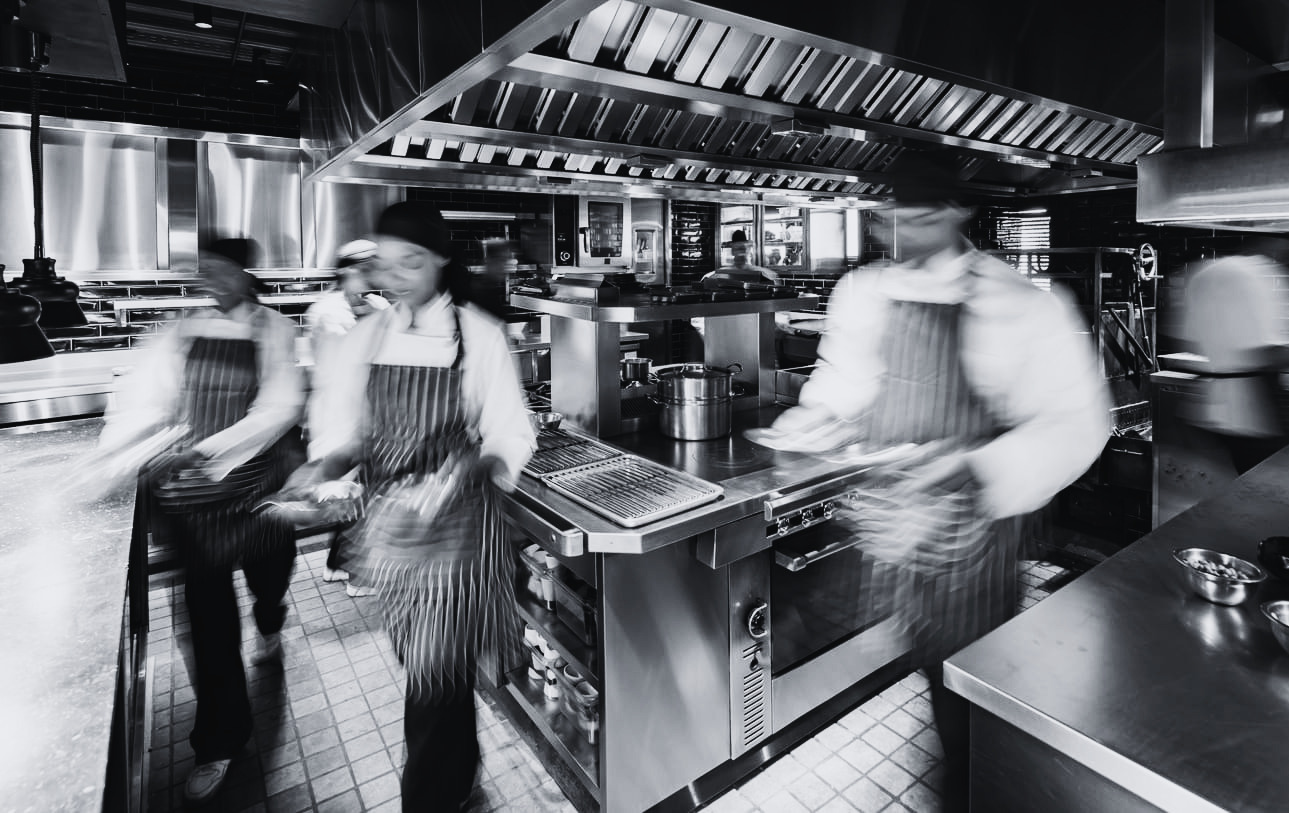
The placement of your equipment directly affects how efficiently your kitchen operates. If key appliances are too far apart, your staff waste time moving between stations. If they are too close, you risk overcrowding and safety issues.
You should position equipment based on how it is used during service. Frequently used items must be within easy reach, while less-used equipment can sit in secondary areas. This approach helps your team work faster while maintaining a safe environment.
How Do You Ensure Compliance And Safety?
A commercial kitchen must meet strict hygiene and safety standards. Your layout plays a key role in achieving this. You need to separate clean and dirty processes, ensure proper ventilation, and allow enough space for safe movement.
You should also design your kitchen with cleaning in mind. Easy-to-access surfaces, logical waste disposal areas, and clear separation between zones help you maintain high hygiene standards. A compliant kitchen not only protects your staff and customers but also supports long-term business success.
Want To Know More? Give Simply Commercial Kitchens A Call Now!
If you want a commercial kitchen that works as hard as your team, Simply Commercial Kitchens can help. You get practical advice, tailored designs, and a layout built around your specific needs. Speak to the team today and take the next step towards a more efficient, productive kitchen.
You also benefit from a team that understands the pressures of running a busy food operation. From initial concept through to installation, you receive clear guidance at every stage, ensuring your kitchen not only looks right but performs exactly as you need it to. Whether you are planning a new fit-out or upgrading an existing space, you can rely on a solution that supports long-term efficiency and growth.