If you run or plan to open a commercial kitchen, you need to understand your responsibilities around gas safety. Gas appliances play a central role in most professional kitchens, but they also present serious risks if they are not installed and maintained correctly. A CP42 Gas Safety Certificate is not optional when dealing with commercial kitchen equipment powered by gas.
At Simply Commercial Kitchens, we guide our clients through every stage of kitchen design, installation, and compliance. Under the Gas Safety (Installation and Use) Regulations 1998, employers and business owners must ensure annual safety checks on all gas catering equipment. We ensure all gas work meets legal standards and we issue Gas Safe certification where required, giving you complete confidence that your kitchen will operate safely from day one. Understanding Gas Safe requirements protects your staff, your customers, and your business.
Legal Requirements For Commercial Kitchens
Commercial kitchens in the UK must comply with strict gas safety regulations. The law requires that any gas appliance installation, maintenance, or repair work must be carried out by a Gas Safe registered engineer and you must have all gas catering equipment checked every 12 months. This ensures that all systems meet safety standards and reduce the risk of gas leaks, fires, or carbon monoxide exposure.
You also need to carry out regular inspections of your gas appliances. Annual gas safety checks are essential to confirm that everything works correctly and safely. These checks must be recorded and kept as part of your compliance documentation. The law places duties on the responsible person (employer) at any place of work to ensure that any gas appliance, installation pipe-work or flue under their control, is maintained in a safe condition to prevent risk of injury.
In addition to gas safety, your kitchen must follow wider health and safety regulations. This includes proper ventilation, safe equipment placement, and clear separation of work zones. A compliant kitchen protects your team while helping you avoid fines, shutdowns, or reputational damage.
What Is Gas Safe Certification?
Gas Safe certification confirms that an engineer is legally qualified to work on gas appliances in the UK. Every engineer must register with the Gas Safe Register and carry identification that proves their credentials. You should always check this before allowing any work to take place in your kitchen.
This certification applies to all gas-related work, including installation, servicing, and repairs. If someone without Gas Safe registration carries out work, you risk serious safety issues and legal consequences. Using certified professionals ensures that your kitchen meets all required standards.
Why Is Gas Safety Important In Commercial Kitchens?
Commercial kitchens operate at high intensity, with multiple gas appliances running for long periods. This increases the risk of faults if you do not maintain equipment properly. A small issue, such as a faulty connection, can quickly become a serious hazard.
You protect your business by prioritising gas safety from the start. Proper installation, regular servicing, and clear procedures reduce risks and ensure your kitchen runs efficiently. A safe environment also gives your team confidence to focus on delivering quality service.
Who Is Responsible For Gas Safety?
As a business owner or operator, you hold responsibility for ensuring gas safety in your commercial kitchen. You must make sure that all gas appliances are installed and maintained by qualified professionals. This includes arranging inspections and keeping accurate records.
You also need to ensure that your staff understand basic safety procedures. While they do not need certification, they should know how to recognise potential issues and report them immediately. Clear responsibility helps maintain a safe and compliant workplace.
What Checks Should You Carry Out Regularly?
Maintaining gas safety requires consistent monitoring and routine checks. You should not rely solely on annual inspections but take a proactive approach to identify issues early. Some checks that should be regularly carried out include:
- Visual inspections: Check appliances and connections for signs of wear or damage.
- Ventilation checks: Ensure extraction systems work effectively to remove fumes.
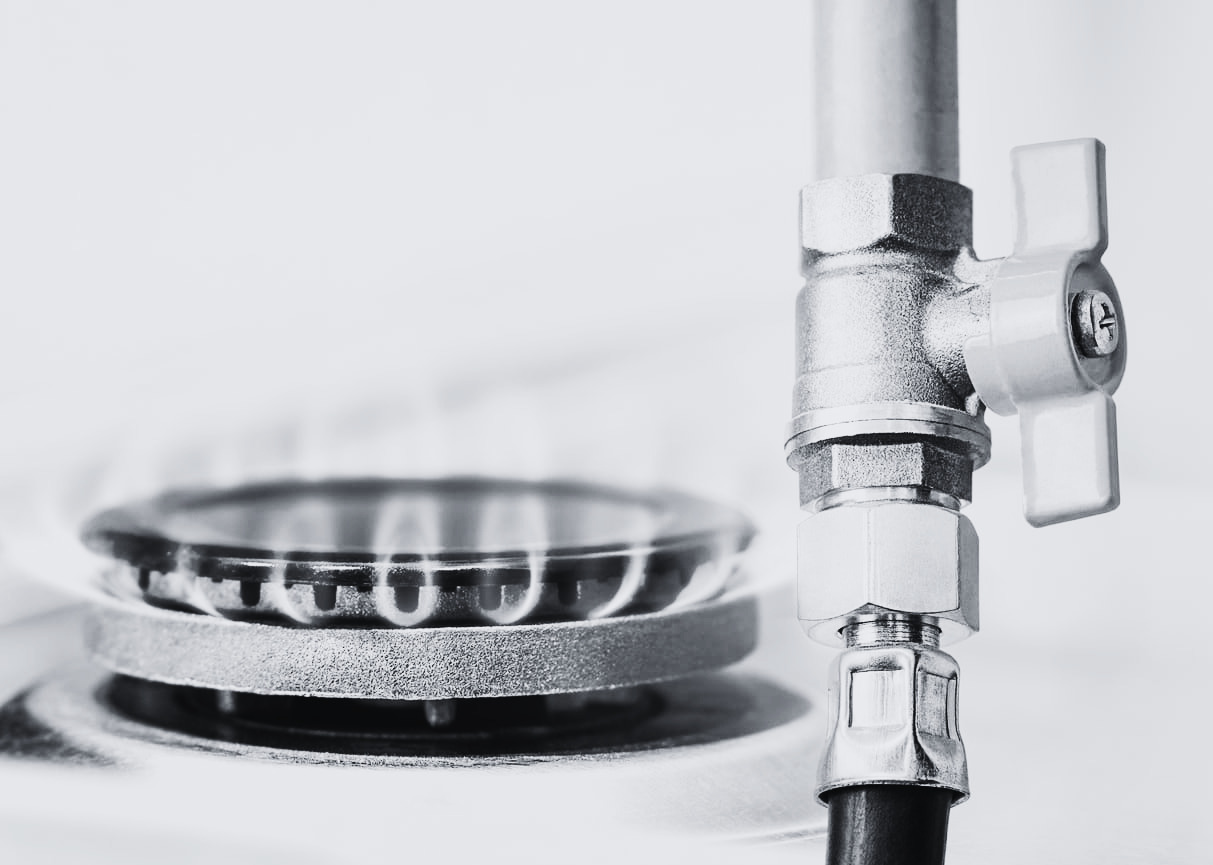
- Flame monitoring: Look for irregular flame patterns that may indicate a problem.
- Carbon monoxide awareness: Install detectors and ensure they function correctly.
- Professional servicing: Arrange regular servicing by a Gas Safe registered engineer.
By carrying out these checks, you reduce the risk of unexpected breakdowns or safety incidents. A well-maintained kitchen operates more efficiently and protects everyone working within it.
How Can You Stay Compliant Long-Term?
Staying compliant requires a structured approach. You need to keep detailed records of all gas work, including installation certificates and inspection reports. This documentation proves that you meet legal requirements and can be requested during inspections.
You should also work with experienced professionals who understand commercial kitchen environments. At Simply Commercial Kitchens, we offer support that goes beyond installation so you can benefit from ongoing advice to help maintain compliance and keep your kitchen running safely.
Call Simply Commercial Kitchens For More Information
If you want to ensure your commercial kitchen meets all gas safety requirements, Simply Commercial Kitchens can help. We offer expert guidance, compliant installation, and ongoing support tailored to your business. Speak to the team today and make sure your kitchen operates safely, efficiently, and in line with UK regulations.